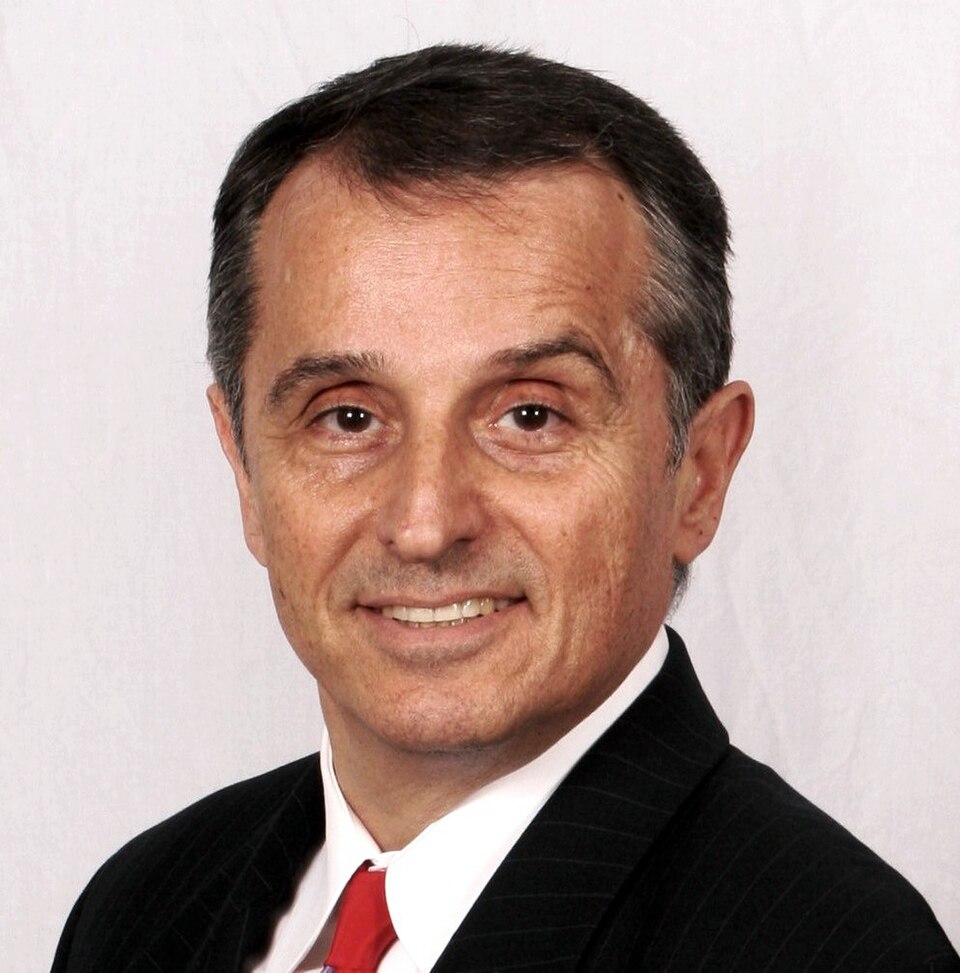
The event builder
Art Davie
Helped turn a styles-versus-styles tournament concept into the first UFC event.
FIRST MONTH FREE
Credit card required · Cancel anytime · Then $8.99/month
The Octagon Edge Museum
Before the spotlight. Before the superstars.
Meet the people and moments that built the fight world.
01 / Walk among the legends
Octagon Edge’s curated celebration of MMA. Independent of the official UFC Hall of Fame.
Drag to explore · Pinch or scroll to zoom · Tap a portrait
02 / Who started it?
MMA was not invented by a single person. Ancient mixed combat, Brazilian challenge matches and Japan’s competitive fighting systems all belong in the story. The UFC’s arrival in 1993 was a major turning point within that larger history.
The event builder
Helped turn a styles-versus-styles tournament concept into the first UFC event.
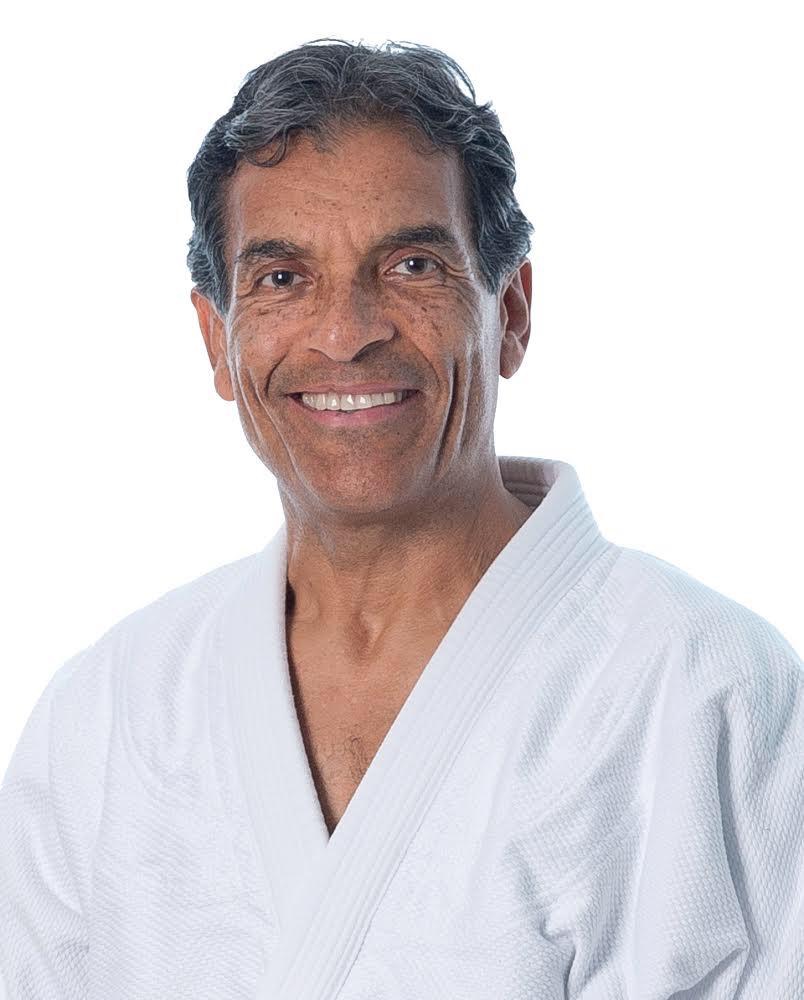
The jiu-jitsu advocate
Co-created the UFC and brought the Gracie challenge-match idea to a new audience.
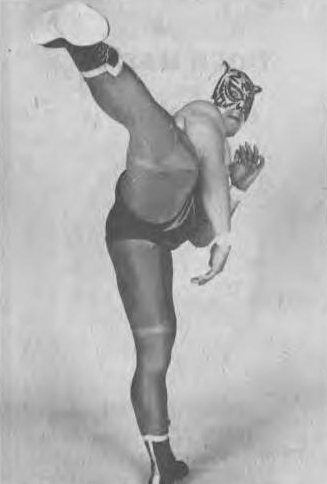
The Shooto pioneer
Developed Shooto in Japan, an important part of MMA’s history beyond the UFC.
The first UFC was produced with Semaphore Entertainment Group. Dana White and the Fertitta brothers entered the story through the 2001 Zuffa purchase.
03 / Follow the evolution
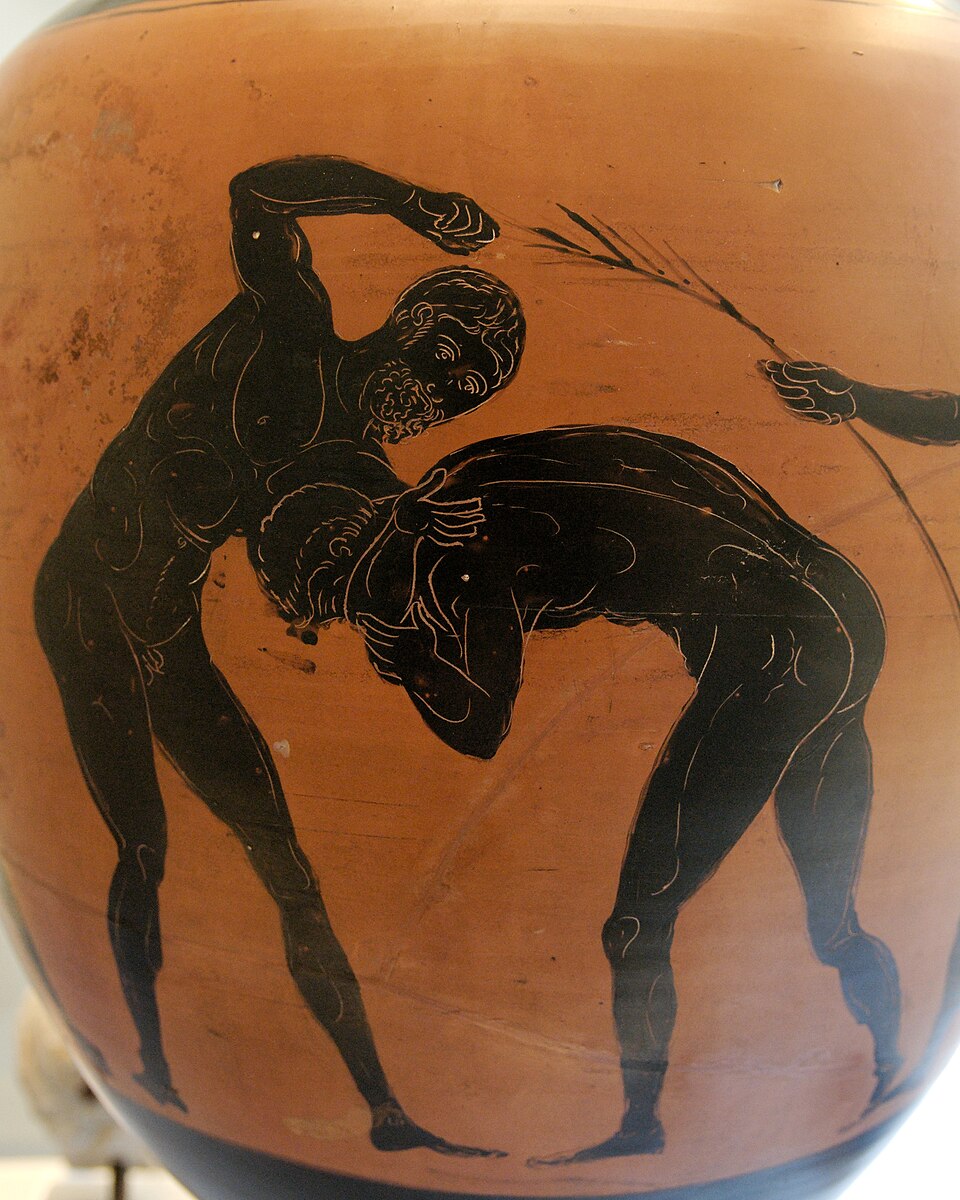
Roots
Pankration combined striking and grappling in the ancient Olympic Games. It is a historical comparison to mixed combat, not evidence of one uninterrupted line leading to today’s MMA.
Ancient Greek athletes
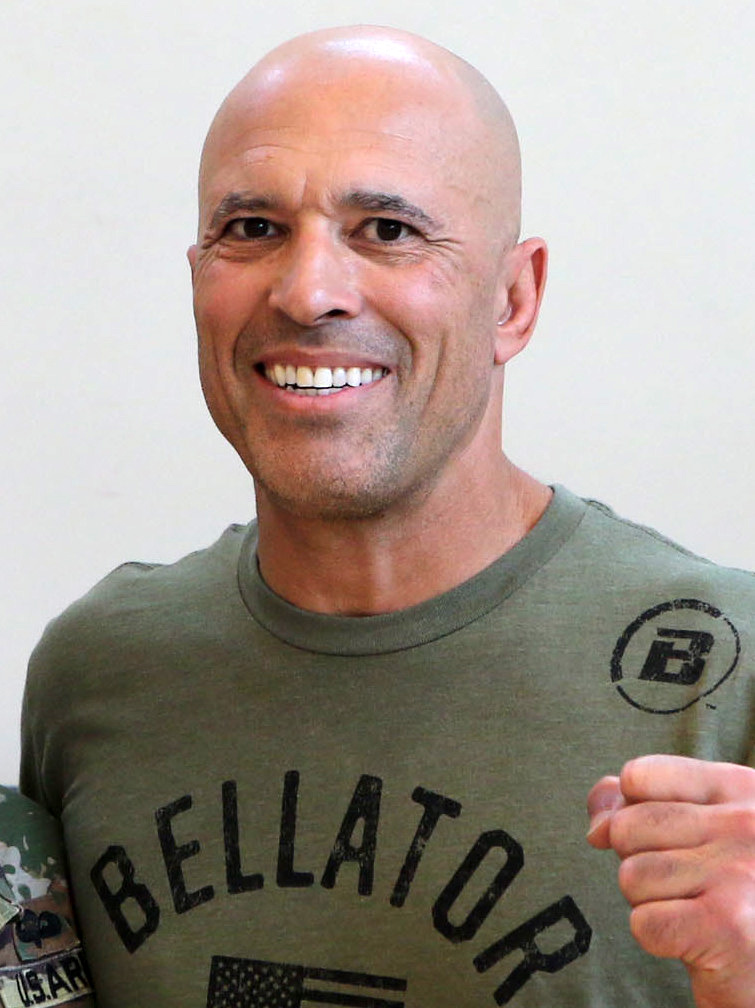
Roots
Brazilian vale tudo contests and challenge matches put different fighting backgrounds against one another. Carlos and Hélio Gracie helped develop and promote the family’s jiu-jitsu; Rorion later carried that challenge-match approach into the idea behind the UFC. This was one important strand in a wider history.
Carlos, Hélio and Rorion Gracie · Brazilian challenge fighters
Roots
Satoru Sayama developed Shooto as a competitive fighting system. Japan’s shootfighting scene, and later Pancrase, created another route toward mixed martial arts. Fighters such as Ken Shamrock connected that world with the early UFC.
Satoru Sayama · Japan’s shootfighting pioneers
Early MMA
Art Davie and Rorion Gracie worked with Semaphore Entertainment Group to bring the first UFC to pay-per-view. An eight-man tournament tested specialists from different martial arts. Royce Gracie won, showing a new television audience how decisive submission grappling could be.
Art Davie · Rorion Gracie · SEG · the UFC 1 competitors
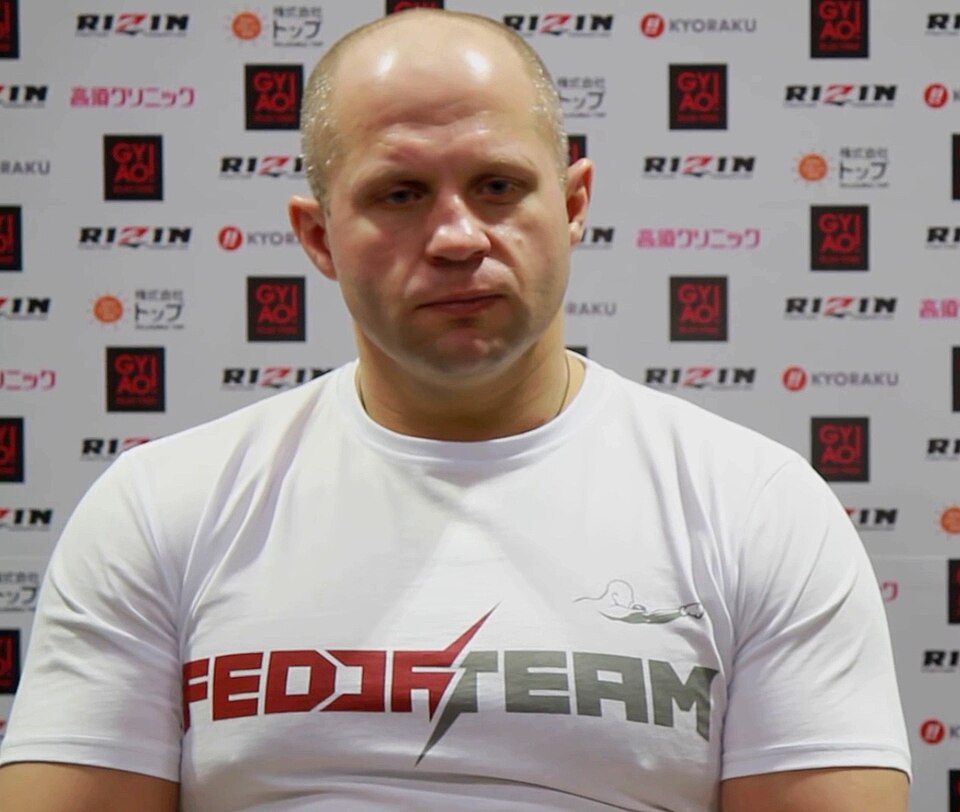
Early MMA
PRIDE became a major stage for international MMA. Sakuraba, Fedor, Nogueira and Mirko Cro Cop helped build a different set of rivalries and memories. The sport’s development happened across rings, cages and competing organizations.
Kazushi Sakuraba · Fedor Emelianenko · PRIDE’s international roster
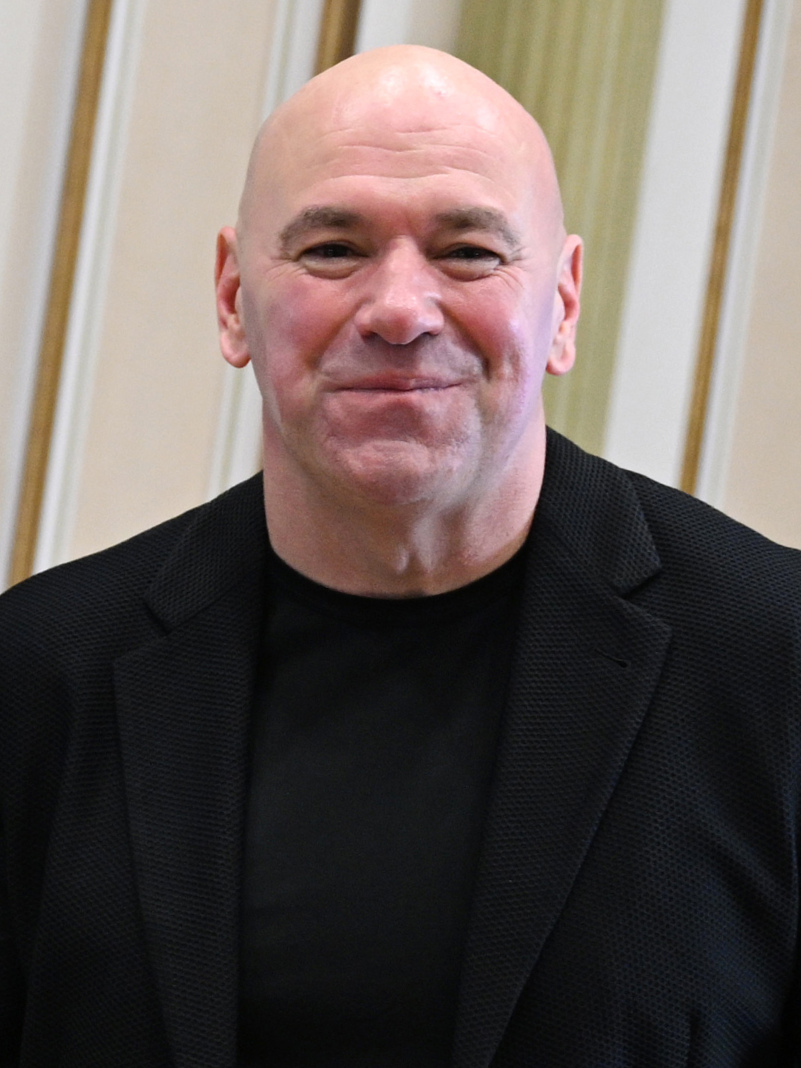
Early MMA
The UFC adopted the Unified Rules in November 2000. In January 2001, Zuffa bought the organization, with Frank Fertitta III, Lorenzo Fertitta and Dana White guiding the next phase. Regulation and business growth were separate, important parts of MMA’s development.
Athletic regulators · Frank and Lorenzo Fertitta · Dana White
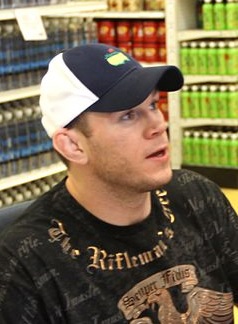
Breakthroughs
Forrest Griffin and Stephan Bonnar fought in the first Ultimate Fighter finale. Griffin took the decision, but both men received UFC contracts. Their televised contest became a landmark in the promotion’s growth.
Forrest Griffin · Stephan Bonnar
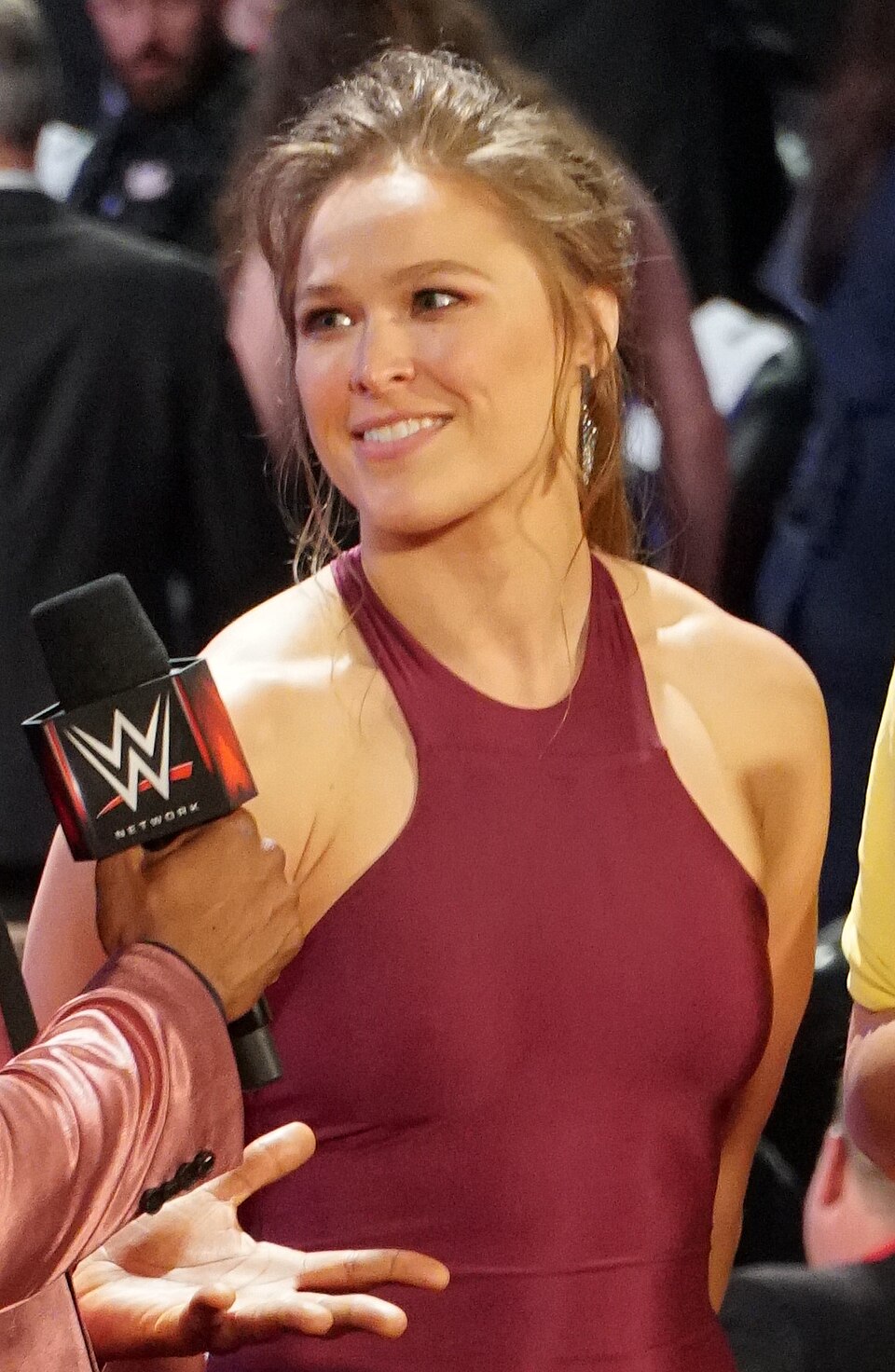
Breakthroughs
Ronda Rousey and Liz Carmouche headlined UFC 157 in the organization’s first women’s bout. Their fight brought a much larger platform to women’s MMA, building on years of competition in other organizations.
Ronda Rousey · Liz Carmouche · the women who came before them
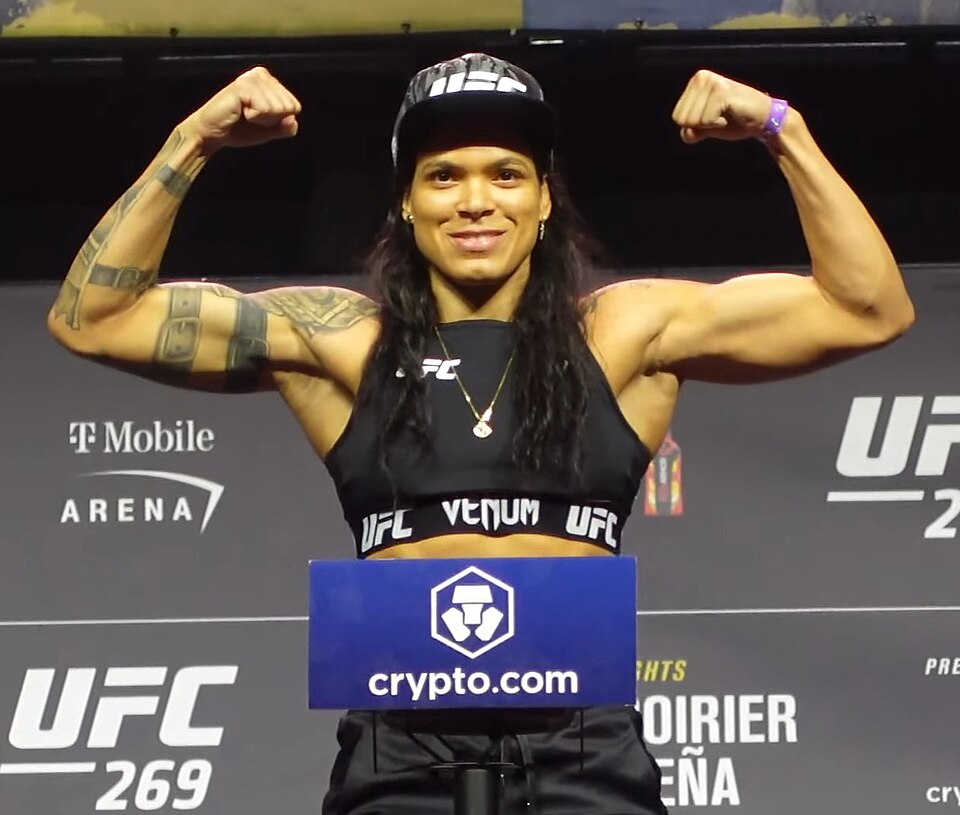
Breakthroughs
Amanda Nunes knocked out Cris Cyborg at UFC 232 to hold two UFC championships at once. Her achievement added a new milestone to a sport shaped by athletes from many countries, styles and generations.
Amanda Nunes · Cris Cyborg
History is still being written.
Research this weekend’s card, run a prediction, then join the conversation.
Historical summaries are written for Octagon Edge. Sources are linked with each exhibit. Portraits from later years illustrate the person and are not presented as photographs of earlier events. The 3D museum is a designed setting, not a reconstruction of a real building.
Amanda Nunes — MMAnytt · CC BY 3.0. Display cropped to fit; original photo unchanged.
Anderson Silva — Conselho Nacional do Ministério Público CNMP · CC BY 3.0. Display cropped to fit; original photo unchanged.
Art Davie — Ufccreator1 · CC BY-SA 4.0. Display cropped to fit; original photo unchanged.
Dana White — Press Service of the President of the Republic of Azerbaijan · CC BY 4.0. Display cropped to fit; original photo unchanged.
Fedor Emelianenko — Bruno Massami · CC BY 3.0. Display cropped to fit; original photo unchanged.
Forrest Griffin — Credit details on source page · Public domain. Display cropped to fit; original photo unchanged.
Georges St-Pierre — Web Summit · CC BY 2.0. Display cropped to fit; original photo unchanged.
Kazushi Sakuraba — Yuzunet · CC BY-SA 4.0. Display cropped to fit; original photo unchanged.
Ken Shamrock — Mike Kalasnik · CC BY-SA 2.0. Display cropped to fit; original photo unchanged.
Pankration — Unknown artistUnknown artist · CC BY 2.5. Display cropped to fit; original photo unchanged.
Ronda Rousey — Shared Account · CC BY-SA 2.0. Display cropped to fit; original photo unchanged.
Royce Gracie — Sgt. Malcolm Cohens-Ashley · Public domain. Display cropped to fit; original photo unchanged.
Satoru Sayama — Unknown authorUnknown author · Public domain. Display cropped to fit; original photo unchanged.
Hélio Gracie — Helio Gracie · CC0. Display cropped to fit; original photo unchanged.
Rorion Gracie — Brian Schwartz · CC0. Display cropped to fit; original photo unchanged.